Home Termite Treatment for Worried Homeowners
Request your termite estimate
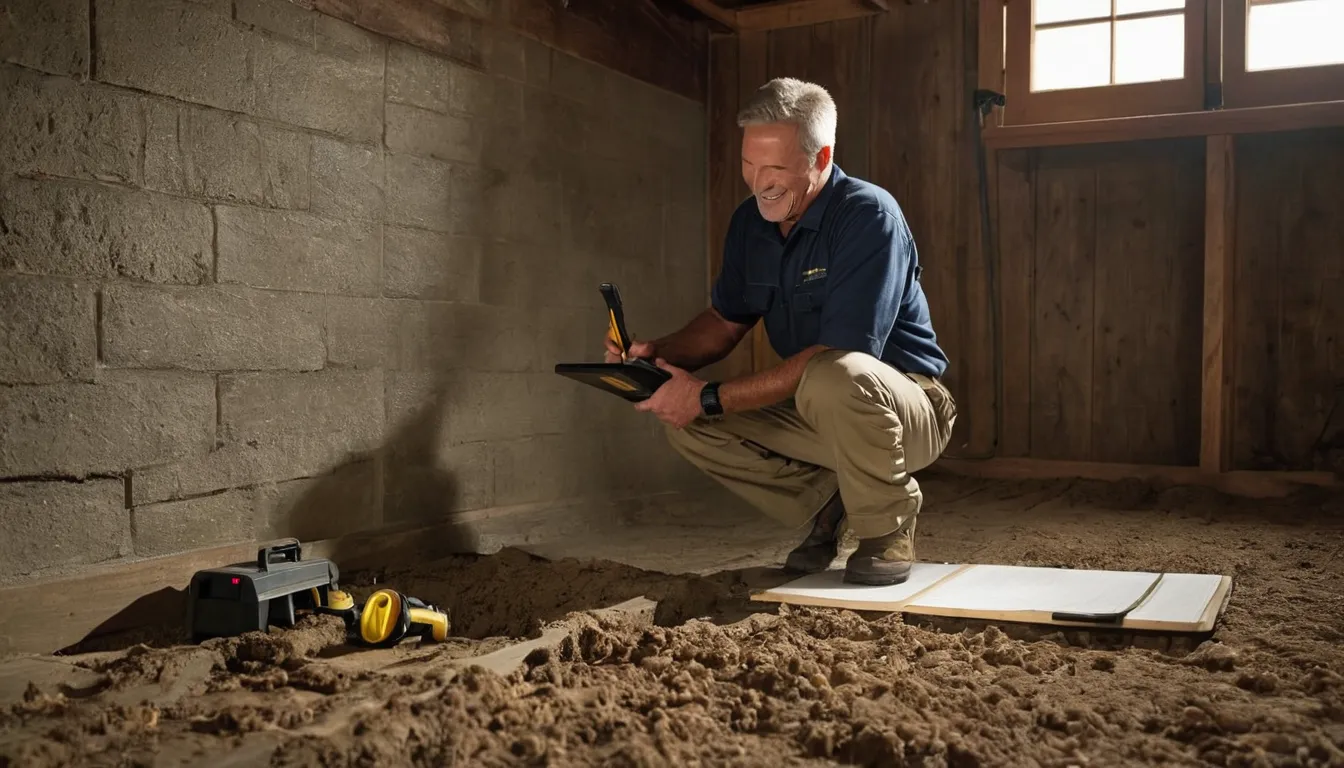
Finding termites, or signs of them, can make your stomach drop. That feeling is normal. Termites usually work slowly and out of sight, so you have time to take a careful, well-planned next step. The first move is an inspection by a qualified provider.
Depositdisappointed Pest Control is a referral service. We match your request with an independent provider in our network who inspects your home, explains what was found, and puts a treatment plan in writing. The provider does the work, not Depositdisappointed Pest Control. Fix it, then protect: a good plan also covers the simple upkeep that helps keep termites from returning to homes in the Murrysville area.
Think You Have Termites? Start Here
It is upsetting to find damage in your home. Take a breath. Termites work slowly, so you have time to make a smart choice. The next step is simple: have a trained provider take a look.
What To Do Today
- Leave the area as it is. Do not poke, vacuum or spray it.
- Take clear photos of tubes, wings or damaged wood.
- Write down where you saw it and when.
- Gather any past inspection papers or treatment records.
Why Termites Need Prompt Attention
Termites eat wood day and night, mostly hidden inside walls, floors and framing. A small colony may take months to cause real harm. Waiting gives them more time to spread. Acting early often means a smaller repair bill and fewer surprises.
Why Older Homes Face More Risk
Older homes in the Murrysville area often have stone or block foundations, full basements and wood framing close to the ground. Small cracks in old mortar and damp sill wood can give termites an easy way in. Cape Cod style homes and multi-family buildings also have many hidden wall spaces to check.
Know the Warning Signs
Most people never see the insects themselves. They notice the clues instead.
Mud Tubes
Thin tunnels of dirt on foundation walls, piers or beams are a classic clue. Termites use them to travel safely between soil and wood.
Winged Insects Indoors
In spring, winged termites may appear near windows or lights. Piles of tiny shed wings are a sign that a colony may be nearby.
Soft or Hollow Wood
Tap baseboards, door frames and basement beams. Wood that sounds hollow or crumbles under a screwdriver deserves a closer look. Sticking doors and bubbling paint can be clues too.
Types of Termites
The type matters because it changes the treatment plan. A provider can tell you which one you have.
Subterranean Termites
These live in soil and are the most common kind in cold climates. They reach your home through the ground, foundation cracks and wood that touches soil.
Drywood Termites
These live inside the wood itself and leave tiny pellets that look like sand. They are less common in cold regions, but they can arrive in furniture or lumber.
How Termite Treatment Works
The process is easier to face when you know the steps.
The Inspection
The provider checks the foundation, basement, crawl spaces, attic and outside soil. They look for live activity, old damage and moisture problems. You should get a clear explanation of what they found.
Choosing a Method
Liquid barriers treat the soil around your foundation. Bait stations placed in the ground slowly reduce a colony. Spot and wood treatments handle small, known areas. Some larger drywood problems call for whole-structure methods. Ask why the provider picked their plan.
Request a callback to check provider availability in your area, or use the request form if you prefer to write it out.
Termite Inspections for Home Sales
Buying or selling an older home? Lenders and buyers often ask for a written termite report. An inspection before listing can reveal problems while you still have time to deal with them. If you are buying, ask for the report before closing so you know what you are taking on.
Ask Before You Hire
A good provider welcomes questions. Here are a few worth asking.
- Can I see your license and proof of insurance?
- What exactly did you find, and where?
- Which method do you suggest, and why?
- What does the written quote include and leave out?
- What does the warranty cover, and what keeps it valid?
What a Good Answer Sounds Like
A good answer is specific and calm. It names the type of termite, points to the evidence, and explains the plan in plain words. The provider puts the price and the steps in writing and does not rush you.
Red Flags
- Pressure to sign on the spot.
- A price quoted with no inspection.
- Vague answers about the product or method.
- No written quote or warranty terms.
- Claims that sound too good to be true.
After Treatment: Fix It, Then Protect
Treatment deals with the colony. Upkeep helps keep your home from becoming an easy target again. Repairs to damaged wood can wait until the provider says the activity has stopped.
Yearly Upkeep
- Keep gutters clear and downspouts pointing away from the foundation, especially before spring snowmelt.
- Fix leaks and run a dehumidifier in damp basements.
- Keep firewood, mulch and lumber away from the house.
- Seal cracks in block and stone foundations.
- Schedule a yearly inspection and ask about renewal terms.
Ready to take the first step? Request an estimate and a provider in our network can reach out to you.
What's Included
Full Inspection
A provider checks the basement, crawl spaces, framing and soil for live activity, old damage and moisture.
Written Plan
You get the method, the price and the steps on paper before any work starts.
Targeted Treatment
Soil barriers, bait stations or spot treatments are chosen to match the type of termite found.
Follow-Up Visits
Providers often recheck the home after treatment to confirm activity has stopped and advise on upkeep.
Typical Termite Treatment Costs
Prices vary by home size, termite type and method. These are typical U.S. ranges only. Always get a written quote from the provider after an inspection.
| Service | Typical range | Notes |
|---|---|---|
| Termite inspection | $75 – $300 | Price depends on home size and report type |
| Liquid soil barrier | $1,000 – $2,500 | Priced by the length of foundation treated |
| Bait station system | $1,500 – $3,500 | Often includes several monitoring visits |
| Drywood spot treatment | $250 – $1,000 | For small, known areas of wood |
| Whole-home fumigation | $2,000 – $8,000 | Used for larger drywood problems |
| Annual monitoring or renewal | $100 – $400 | Varies by provider and warranty terms |
How It Works
Request an Estimate
Tell us what you saw and where. Photos help the provider understand the situation.
Get Matched
We connect you with an independent provider in our network.
Inspection and Plan
The provider inspects your home and gives you a written treatment plan.
Treat and Protect
The provider treats the problem, then you follow simple upkeep to prevent a return.
Why Call Depositdisappointed Pest Control
A Calm, Clear Process
You are matched with a provider who explains each finding and next step in plain words.
Local Providers
Providers in our network know the older homes, damp basements and stone foundations common in your area.
Written Quotes
Ask for the price, method and warranty terms on paper before you agree to anything.
No Obligation
Requesting an estimate does not commit you to hiring anyone.
Other Services
Need home termite treatment in Murrysville?
Tell us what you are seeing at home. Send a request and a local provider in our network can follow up with a written quote.
No obligationHome Termite Treatment FAQ
How do I know if I have termites?
Look for mud tubes on foundation walls, shed wings near windows, hollow-sounding wood and tiny wood pellets. These are common clues, but only a provider's inspection can confirm whether termites are active in your home.
How long does termite treatment take to work?
It depends on the method. Liquid barriers start working soon after application, while bait systems can take months to reduce a colony. Ask the provider for a timeline and follow-up plan in writing, because every home is different.
Does homeowners insurance cover termite damage?
Many policies exclude termite damage, but terms differ. Check your policy or ask your insurer. Providers can often help document damage for a claim.
Tell us what happened
Tell us what you are seeing at home. Send a request and a local provider in our network can follow up with a written quote.
No obligation